
Expert Insights: How Laser Rust Removal Works


Understanding Laser Rust Removal
Laser rust removal is a cutting-edge technology that has transformed the way industries handle rust and corrosion. By using laser beams, this method provides a precise and eco-friendly solution to eliminate rust from various surfaces. Unlike traditional methods, laser rust removal offers numerous benefits, including being non-abrasive and efficient.
The Science Behind Laser Rust Removal
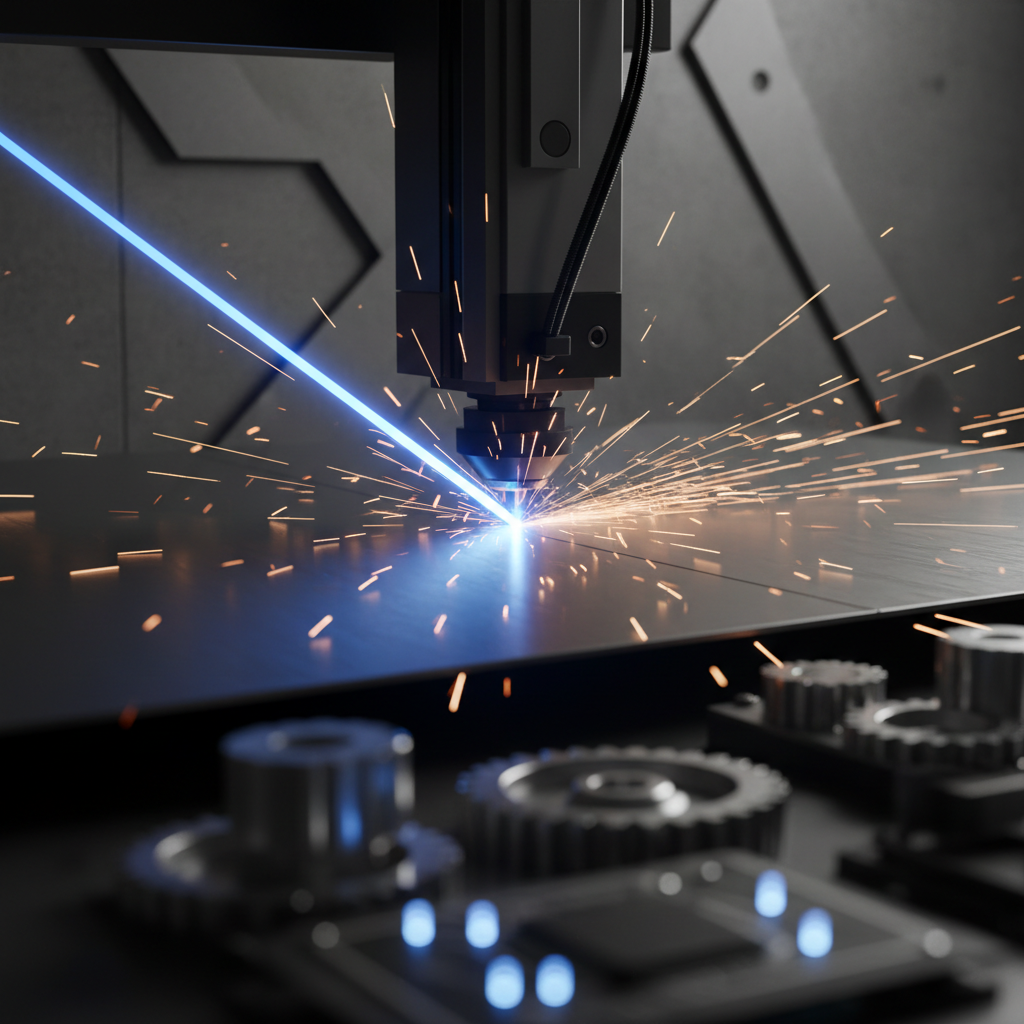
The process works by directing a high-intensity laser beam onto the rusted surface. This beam rapidly heats the rust, causing it to evaporate or sublimate. The underlying metal remains intact due to its higher thermal threshold. This precise targeting ensures that only the unwanted rust is removed, leaving the original material unscathed.
Lasers used in this process are typically fiber lasers, known for their stability and effectiveness. These lasers can be adjusted to suit different materials and levels of corrosion, making them versatile tools for manufacturers and restoration experts alike.
Advantages of Using Laser Technology
One of the main advantages of laser rust removal is its environmental impact. Unlike chemical treatments, lasers do not produce hazardous waste, making it a greener alternative. Additionally, the process is relatively quiet and doesn’t require extensive safety measures, unlike sandblasting or chemical methods.

Applications Across Industries
Laser rust removal is widely used in various industries, from automotive to aerospace. In the automotive industry, it helps in restoring vintage cars without damaging their delicate parts. Aerospace companies rely on this technology to maintain the integrity of aircraft components, ensuring safety and longevity.
- Automotive Restoration
- Aerospace Maintenance
- Manufacturing and Production
How to Choose the Right Laser System
When selecting a laser rust removal system, consider factors such as power output, portability, and ease of use. It's essential to choose a system that matches the specific needs of your application. Consulting with experts can help determine the best setup for your particular requirements.
Future of Laser Rust Removal
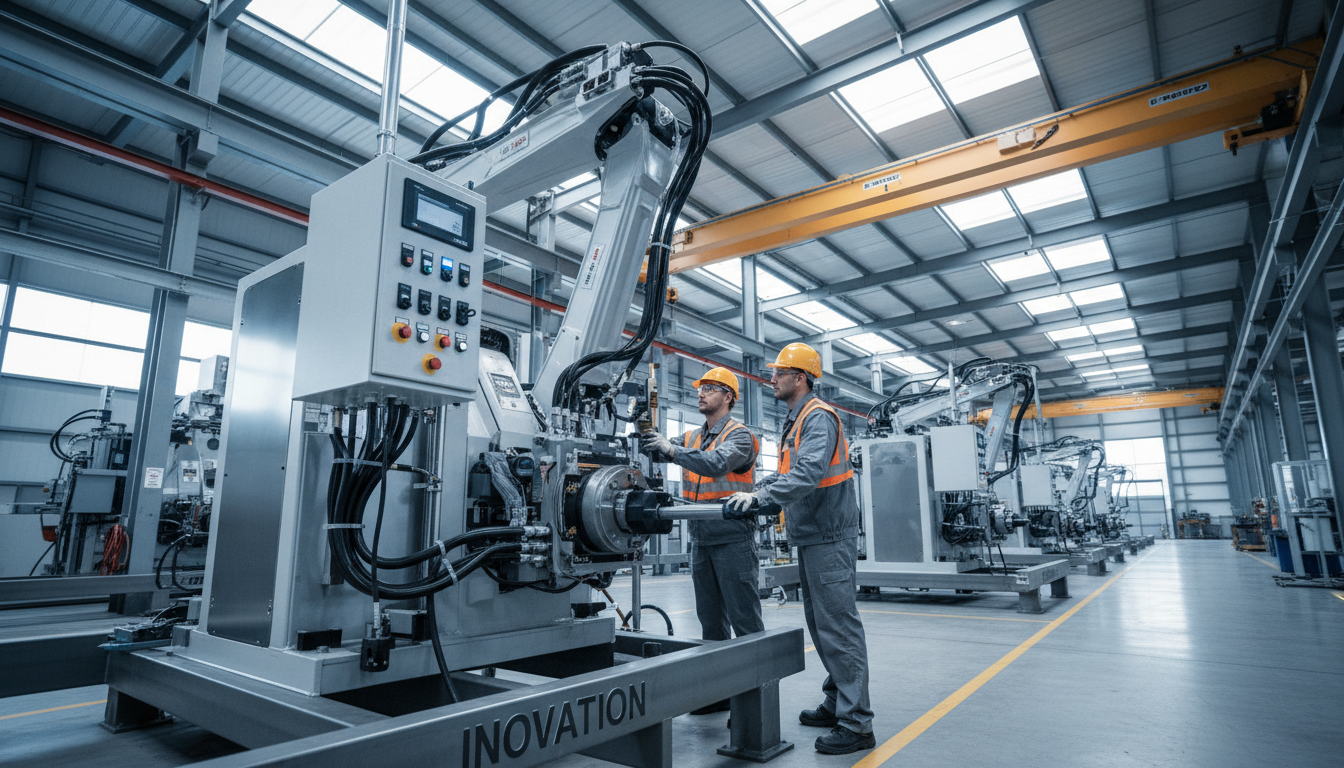
As technology advances, laser rust removal is expected to become even more efficient and accessible. Innovations in laser technology promise to enhance precision and reduce costs, making it a viable option for smaller businesses and individual users.
The future holds exciting possibilities, with potential developments in automation and integration with other technologies, further expanding its applications.
Conclusion
Laser rust removal represents a significant advancement in corrosion management, offering a sustainable and effective solution. Its growing popularity across various sectors underscores its effectiveness and adaptability. As technology continues to evolve, laser rust removal will likely become an even more integral part of industrial maintenance and restoration.